Distribution of INNS in the Dee Catchment
2nd May 2019
by Victoria Semple
GFT would like to say thank you to everyone that helped us in our plea for information on sightings of American signal crayfish across Galloway.
The information that was provided was incredibly useful and helped guide our report on their current distribution. We are hoping to share the map created from this information on the website in coming weeks.
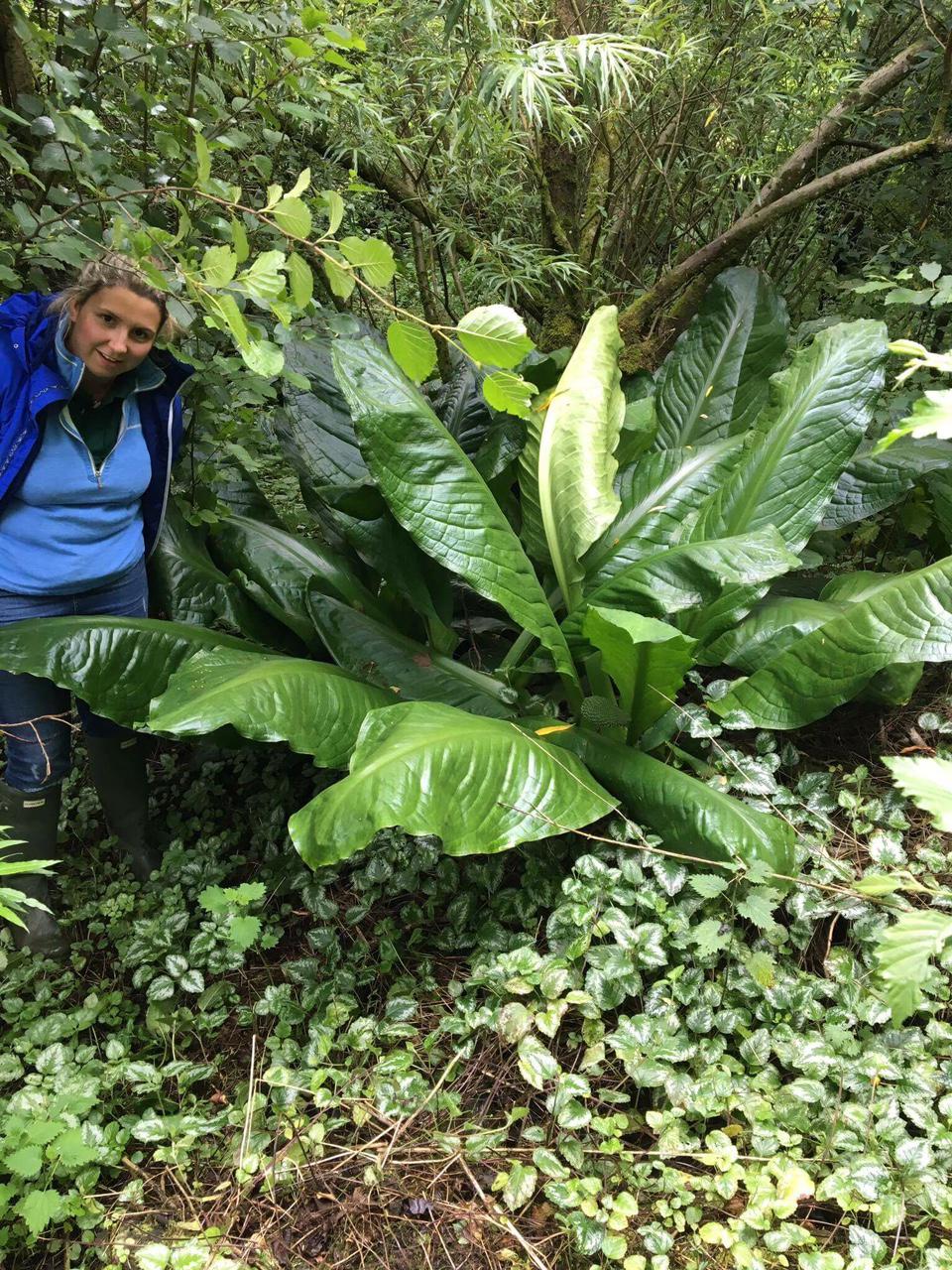
Continuing on from this, GFT are now trying to understand the present distribution of other Invasive Non-Native Species (INNS) within the Dee Catchment. These include Japanese knotweed, Himalayan balsam, American skunk cabbage and Mink. INNS are notoriously problematic and are damaging riparian habitats and negatively effecting native biodiversity. GFT are aware of specific locations of INNS which are treated on an annual basis but are aiming to expand on this knowledge. We are looking for reports of known locations from the general public to help guide the project and allow us to create a biosecurity management plan going forwards. This work is to be delivered as part of the Galloway Glens Partnership Project. If anyone has any information on any INNS species please get in touch with Victoria Semple either via email victoria@gallowayfisheriestrust.org, or on the office telephone : 01670 403011.
Latest News
Restoring local peatlands
In spring 2026, Galloway Rivers Trust undertook 22.5 hectares of peatland restoration around Loch Moan in Dumfries and Galloway. Loch Moan is the source of the River Cree, which is an important river in Galloway for its freshwater fish populations including the very rare Sparling.
Luce Riverwoods Project
The River Luce starts in the hills of southern Ayrshire and makes it way down through New Luce and Glenluce before joining the Solway Firth. Throughout its length it acts as a home to a large variety of aquatic species such as salmon and trout, as well as many invertebrate species.
Removing Broom Caul
Galloway River Trust has secured funding from the European Open Rivers Programme for work to remove the Broom Caul. As part of our work to restore the river habitats of the River Annan catchment, the removal of this caul, or weir, has been identified as a priority action.