Black Water of Dee Restoration Project (phase 1 and 2 completed)
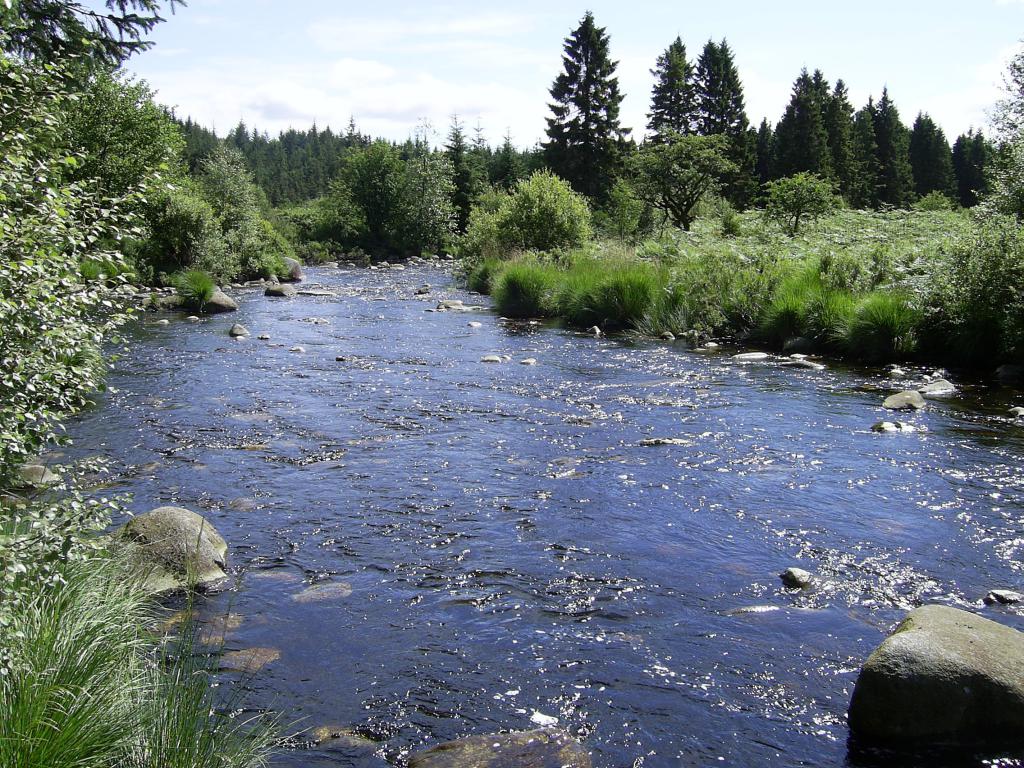
The Black Water of Dee Restoration Project (phase 1) was undertaken to explore how to restore natural river processes and the wider river ecology back to 20km of the watercourse. This large tributary has become severely degraded due to the drainage of nearby peatlands, extensive conifer afforestation and the construction of Clatteringshaws Dam in the 1930’s. An expanded phase 2 work programme was delivered between 2023 - 2025. We are now exploring funding options for a phase 3.
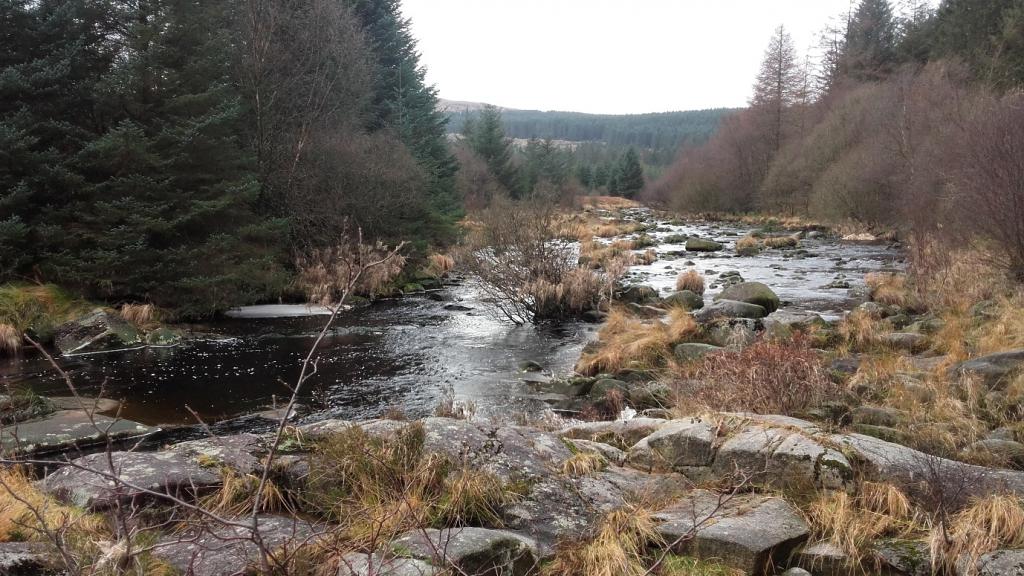
In 2016 GRT undertook a study of the lower Black Water of Dee (BWD) from where it flows into Loch Ken up to Clatteringshaws Dam. Habitats over this 20km length were found to be very degraded, explaining why the ecology of the river was so poor. There is no fish pass fitted on Clatteringshaws Dam so fish are unable to access the habitats upstream. The report is available as a download.
The main concerns highlighted in the study were:
- poor water quality (acidification) likely to be an issue in some tributaries during the winter / spring
- a number of waterfalls and rock ledges identified which were considered impassable to upstream migrating fish at base compensation water flows
- extensive areas of conifer regen (naturally seeded Sitka spruce) in riparian areas which outcompetes native vegetation and can cause bank erosion
- a lack of riparian hardwood trees
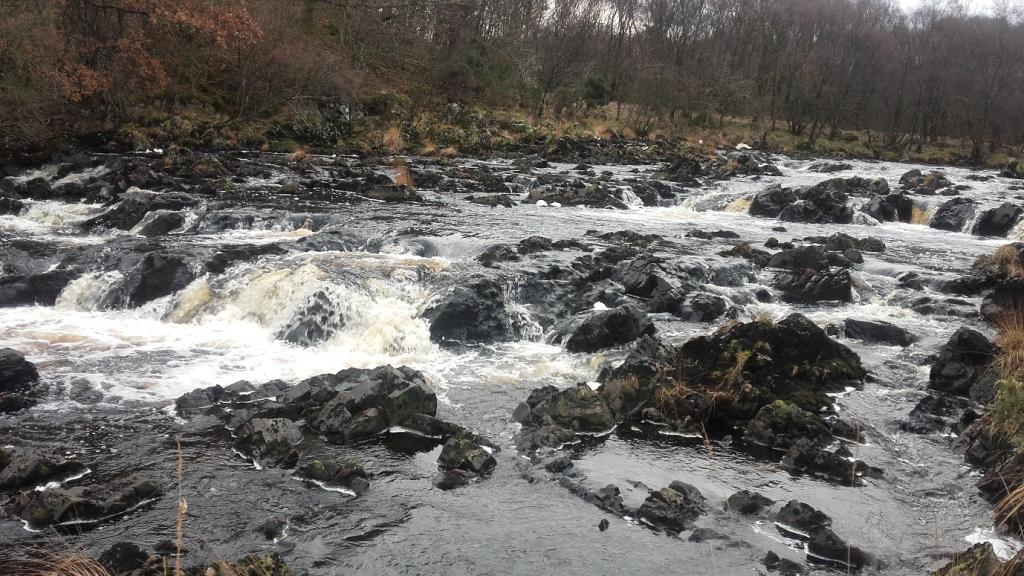
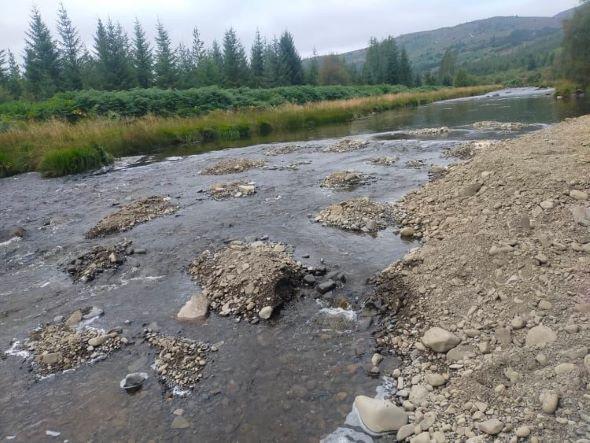
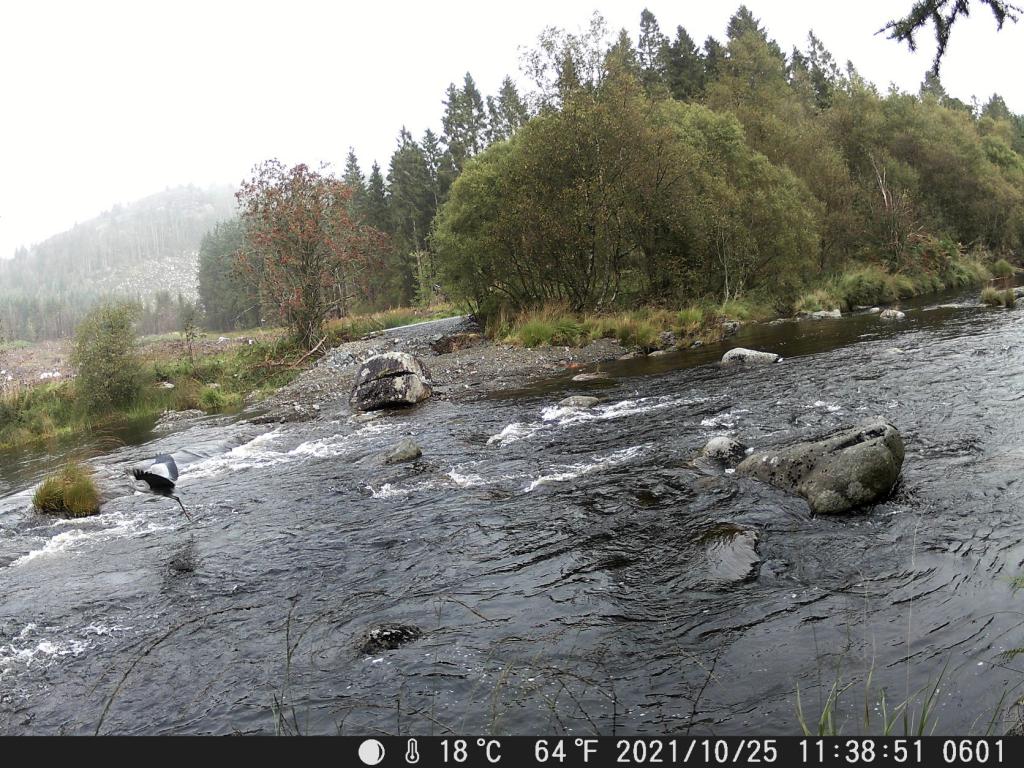
- a distinct lack of gravel, pebbles and cobbles due to the hydro dam stopping the natural downstream movement of substrate for the last 90 years. This is resulting in a loss of riffle and spawning beds, instead leaving only bedrock and large boulders.
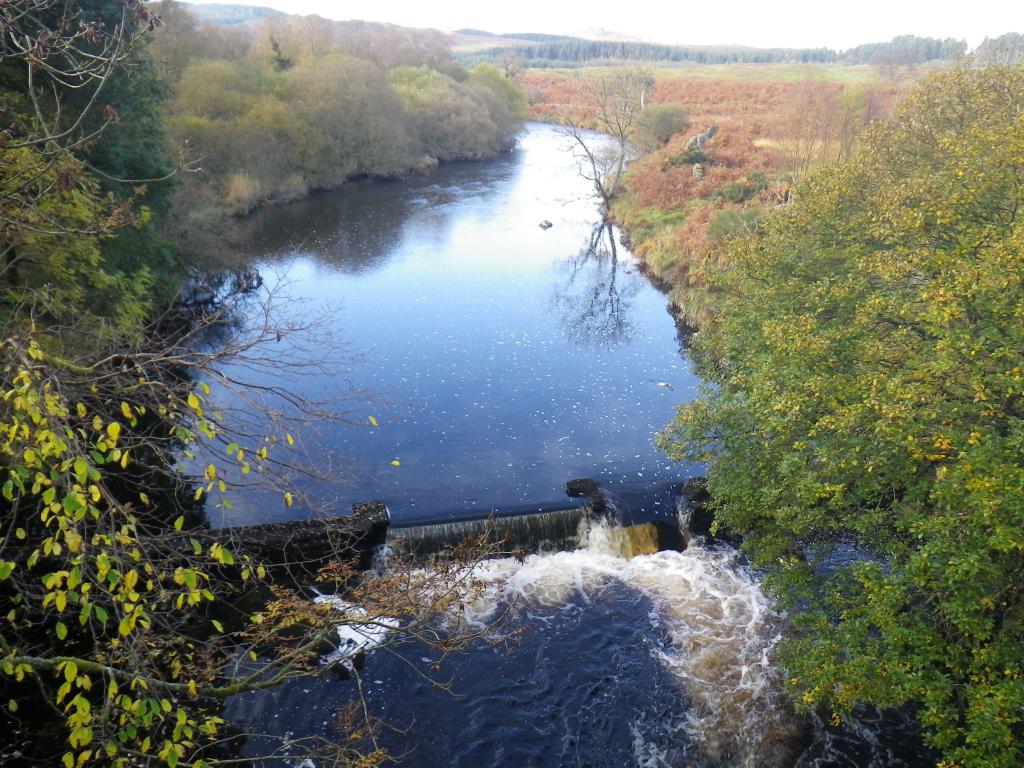
- fish access over Hensol Weir
To address the multiple pressures required a wide partnership of organisations to come together. A steering group was set up with a membership of GRT, DRAX, Forestry and Land Scotland, SEPA, NatureScot, Kirkcudbrightshire Dee District Salmon Fishery Board and Galloway Glens Landscape Partnership. A programme of works was agreed to be delivered as a phase 1. A great deal of these works were undertaken to trial restoration techniques to check their suitability to restore the BWD and also some events were held to inform the local community of the project and to give opportunities for people to get involved in the practical works.
The phase 1 work programme was delivered between 2020 - 2022 and achieved the following:
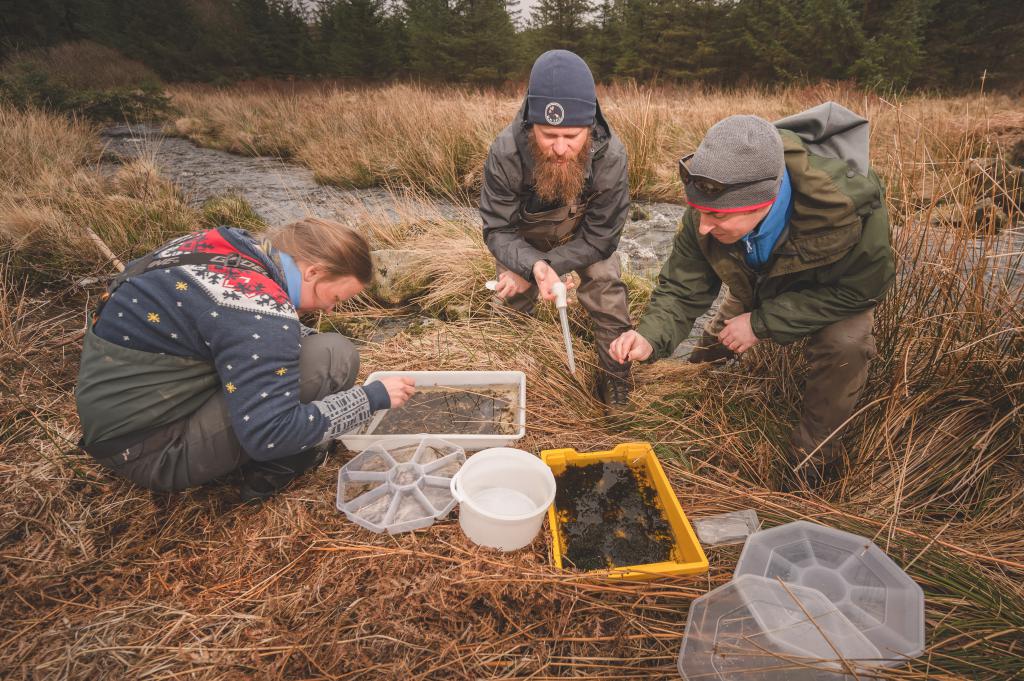
- designing and delivering a monitoring programme (which included baseline pre-works data)
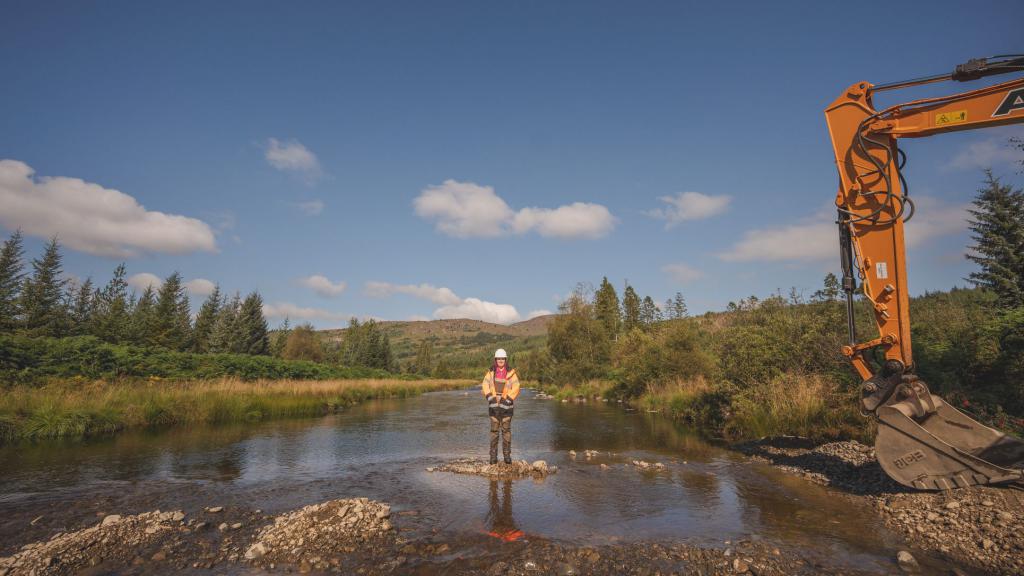
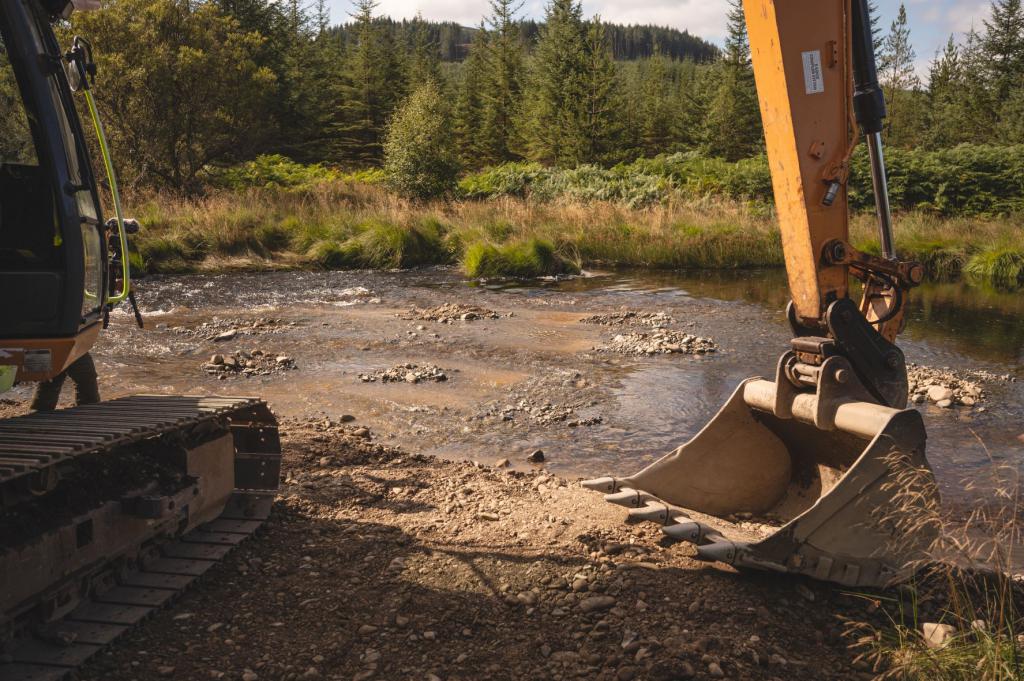
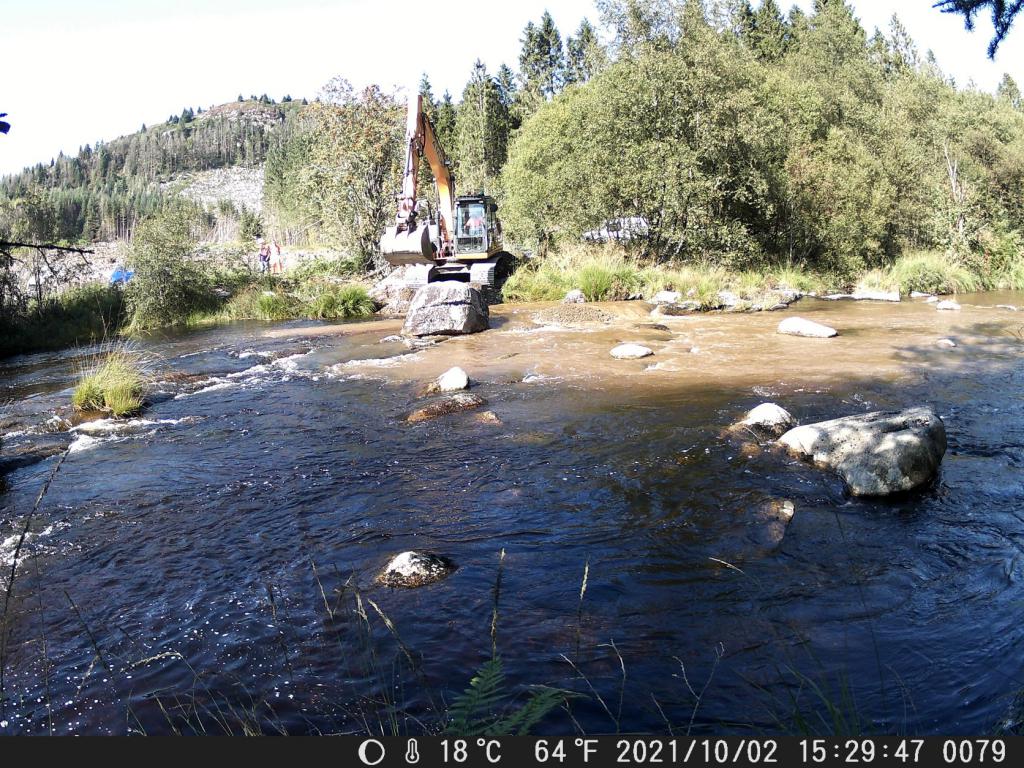
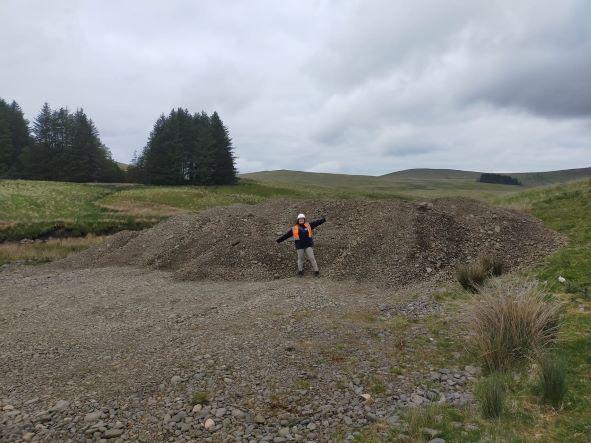
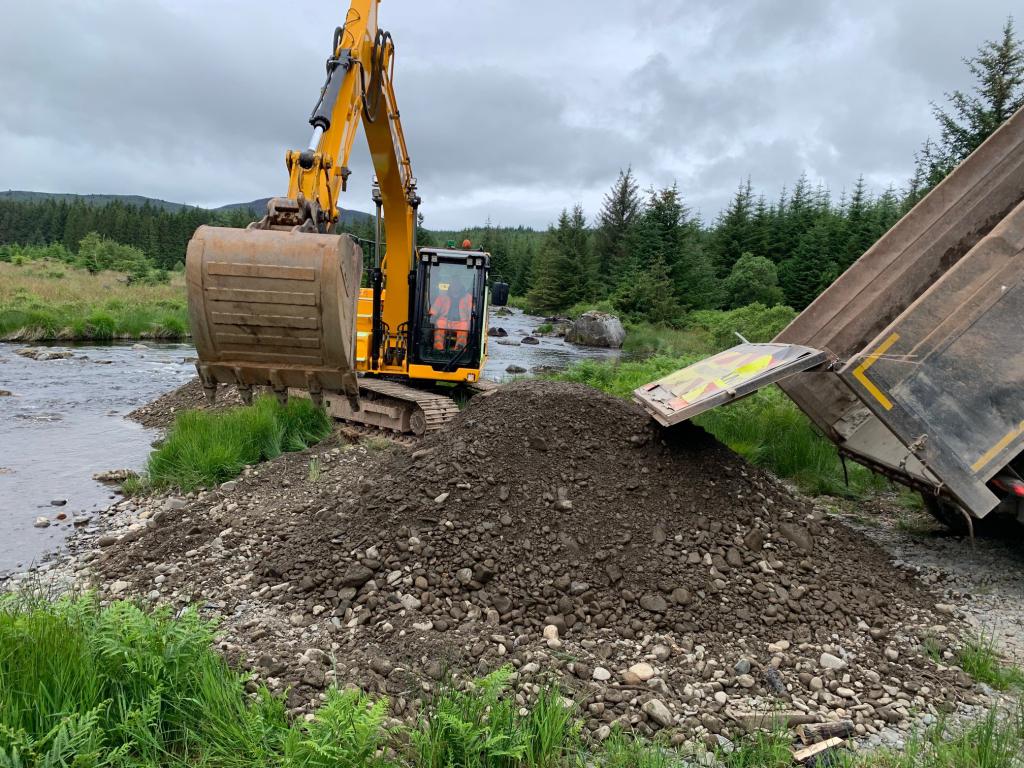
- the introduction of nearly 900 tons of natural substrate (gravel, pebbles, cobbles) to 5 locations on the BWD and lower Pullaugh Burn (the source of this substrate was a tributary in the headwaters of the river called the Water of Deugh where gravels can cause problems at a hydro intake).
- the cutting of dense areas of riparian conifer regen from around the Nick Burn (a tributary of the BWD)
- planting of a few thousand native decidious trees (and guarded) around the Nick Burn and Pullaugh Burn (BWD tributaries)
- addition and fixing of woody debris into the Nick Burn
- running a number of events to educate and inform the public on the ecology of the BWD and the work being undertaken to improve things
Using lessons learned from phase 1, a phase 2 work programme was developed and funding secured in 2023. Phase 2 works were funded mainly by the Nature Restoration Fund and with match funding from GRT, DRAX and FLS. Phase 2 works were delivered between 2023 - 2025 and included:
- continued with monitoring works to understand the benefits achieved (this will continue for at least 10 years)
- introduced a further 900 tons of natural substrate at 6 sites
- cut down riparian conifer regen along both banks of 17 km of the BWD and key tributaries (so a total length of 34km and an area of over 64ha of conifers removed)
- planted and protected over 3,000 native hardwoods along the banks of the BWD (these will be beaten up annually for 5 years and then the plastic tree guards removed)
- added and fixed woody debris to improve instream habitats in the White Burn and Nick Burn to improve habitats. We also have had plans drawn up to add large woody debris into the BWD to encourage gravel retention in the BWD (actual practical works would take place in phase 3).
- CBEC undertook a fluvial survey of the BWD to assess success of the gravel addition and to provide guidance on future gravel additon.
- Assess the passability for fish at Hensol Weir (ongoing through 2025 / funded by RSK).
GFT are now working with partners to consider possible works to continue to restore this important water course. Possible works for phase 3 include adding further gravel, addition of large woody debris to retain gravel and improving fish access at Hensol Weir if the study identifies problems.
This work is an important sub-project of the GRT 'Flowing Forward - Restoring Galloway's Rivers' programme.


Downloads
Black Water of Dee Fish and Habitat Report 2016
Black Water of Dee Fish and Habitat Report 2016The Rise and Fall of Galloway and Carrick Trout
Andy Ferguson, Caroline Bradley, Robin Ade, Colin Roberts, Jackie Graham, and Paulo Prodöhl look at the impact of acidification on trout and discuss some results from their current study.Black Water of Dee Restoration Project Monitoring 2023
Black Water of Dee Restoration Project monitoring report for 2023 - year 2, end of phase 1.Kirkcudbrightshire Dee 2025 2026 water quality monitoring report
Kirkcudbrightshire Dee 2025 2026 water quality monitoring report funded by Peatland ActionGallery
Latest News
Restoring local peatlands
In spring 2026, Galloway Rivers Trust undertook 22.5 hectares of peatland restoration around Loch Moan in Dumfries and Galloway. Loch Moan is the source of the River Cree, which is an important river in Galloway for its freshwater fish populations including the very rare Sparling.
Luce Riverwoods Project
The River Luce starts in the hills of southern Ayrshire and makes it way down through New Luce and Glenluce before joining the Solway Firth. Throughout its length it acts as a home to a large variety of aquatic species such as salmon and trout, as well as many invertebrate species.
Removing Broom Caul
Galloway River Trust has secured funding from the European Open Rivers Programme for work to remove the Broom Caul. As part of our work to restore the river habitats of the River Annan catchment, the removal of this caul, or weir, has been identified as a priority action.