Scottish Solway INNS Control and Knowledge Programme
Over the years, various plants from around the world have been introduced to Scotland; either as a curiosity for populating botanical gardens or accidentally through importing goods. Most of these plants do not survive well in Scotland; however, a few have unfortunately colonised and become invasive, and are known as Invasive Non-Native Species (INNS). INNS are not restricted to plant species alone and can also be classified as animal or fungus.
In areas where INNS become established, a range of negative impacts can be observed. These range from damaged ecosystems, reduced biodiversity, disruption to human activities, risk to human health, and negative economic impacts.
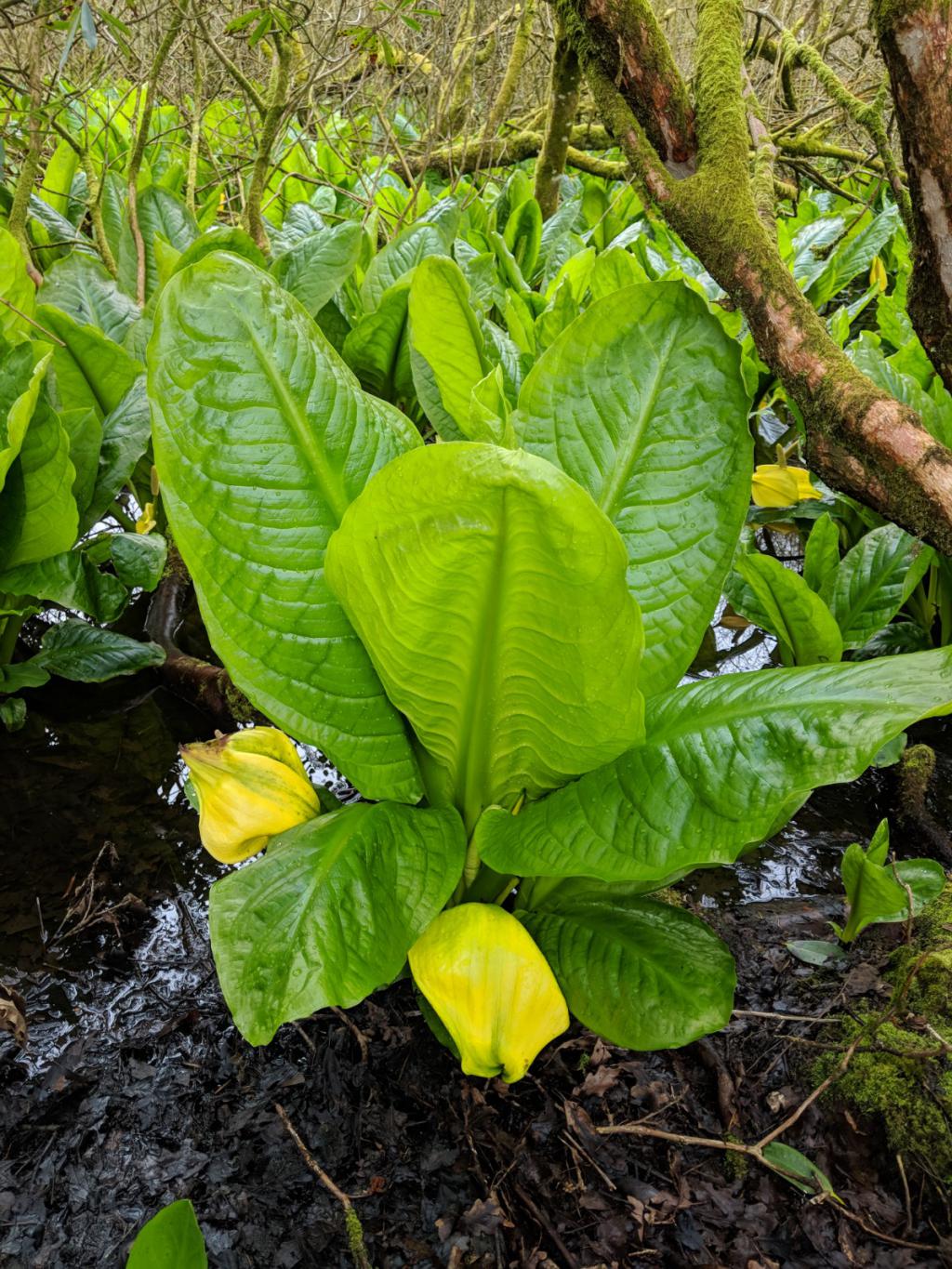
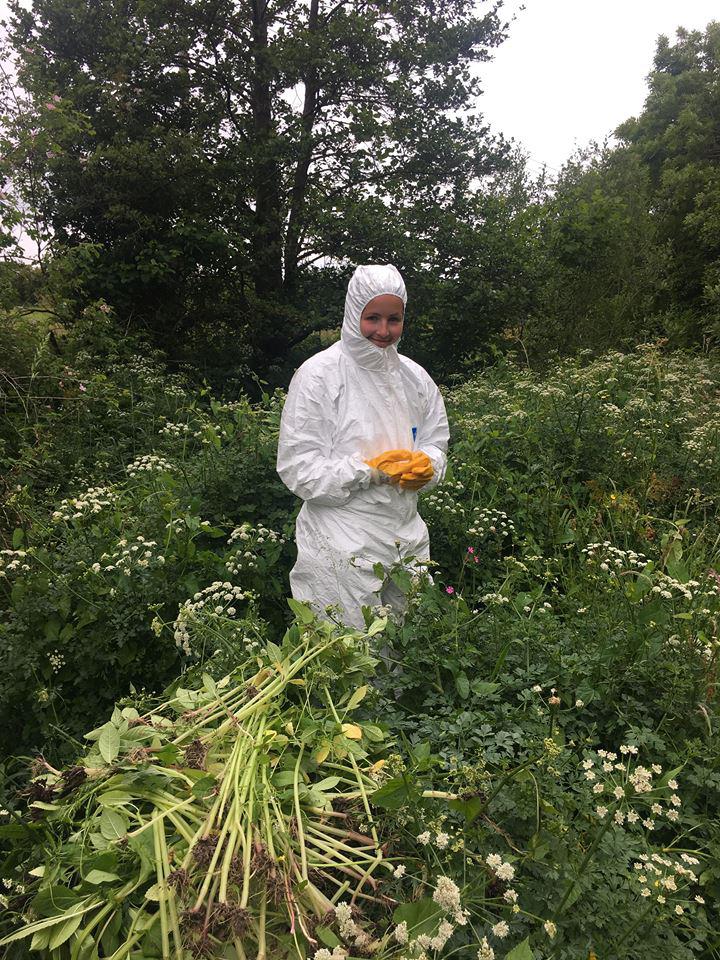
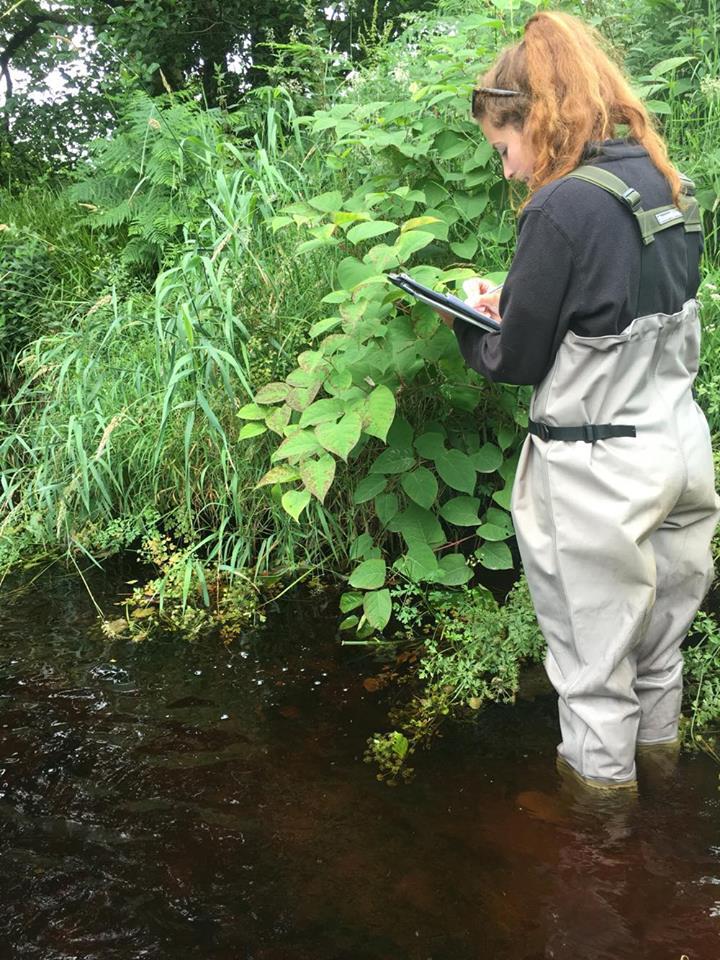
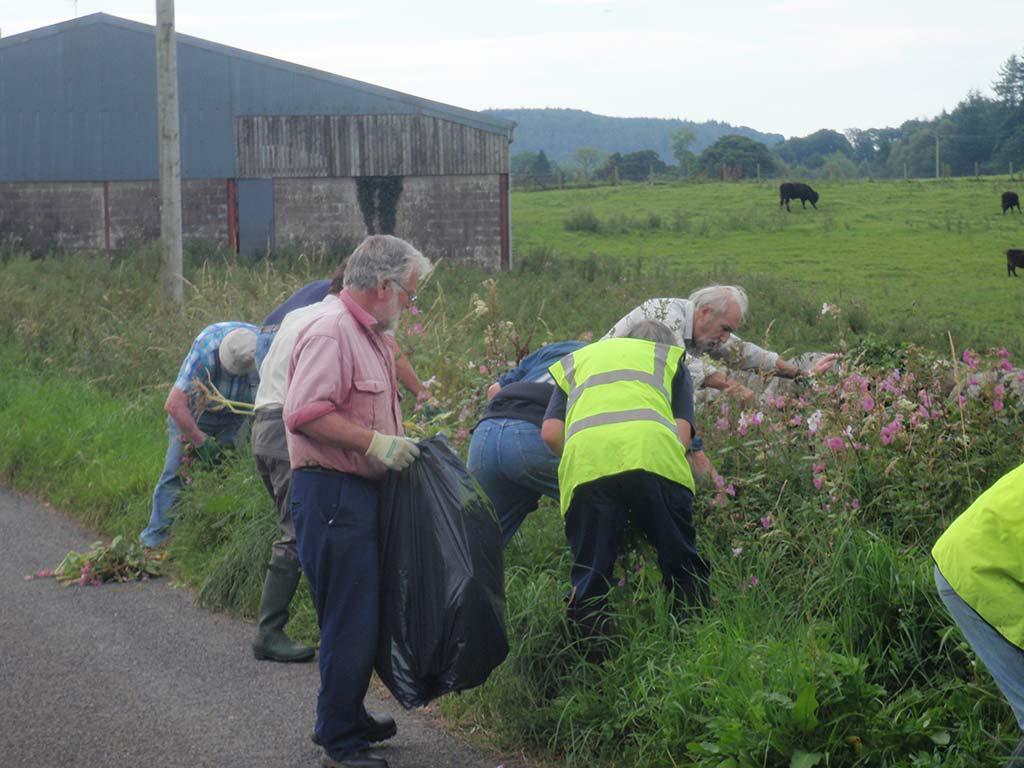
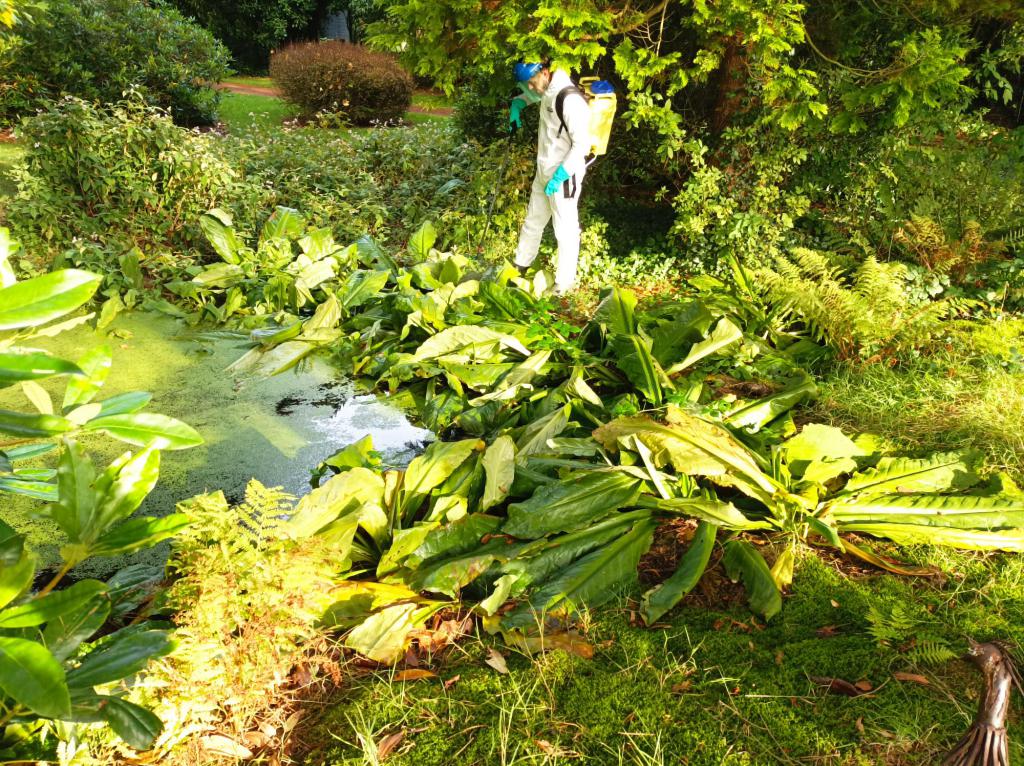
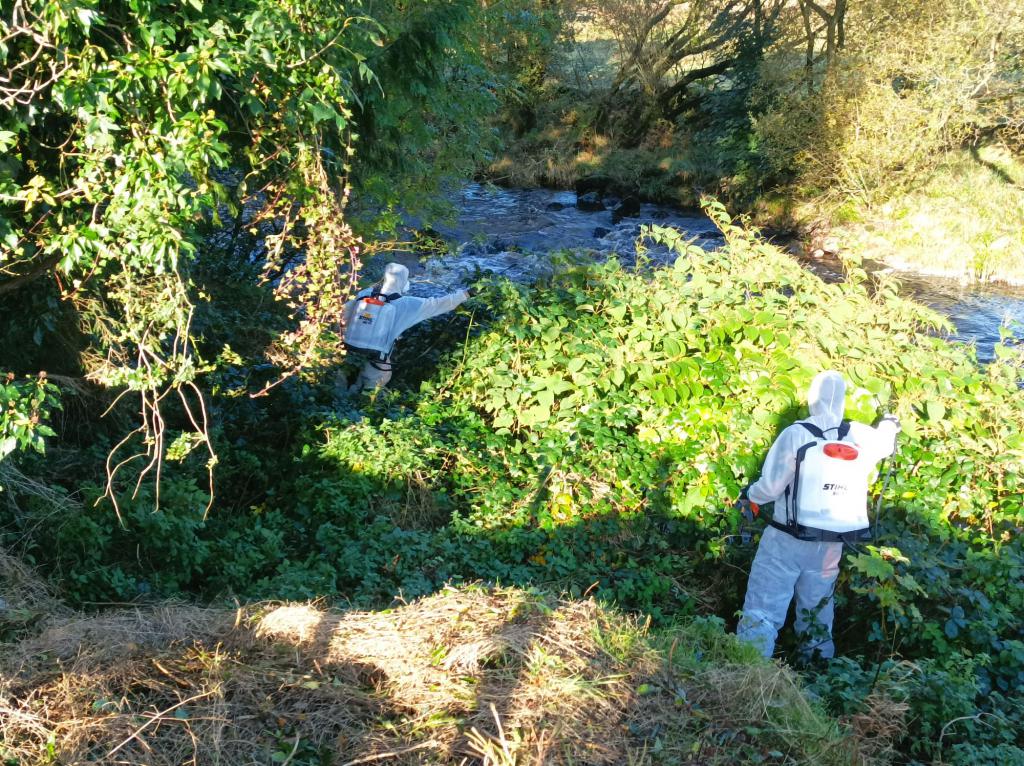
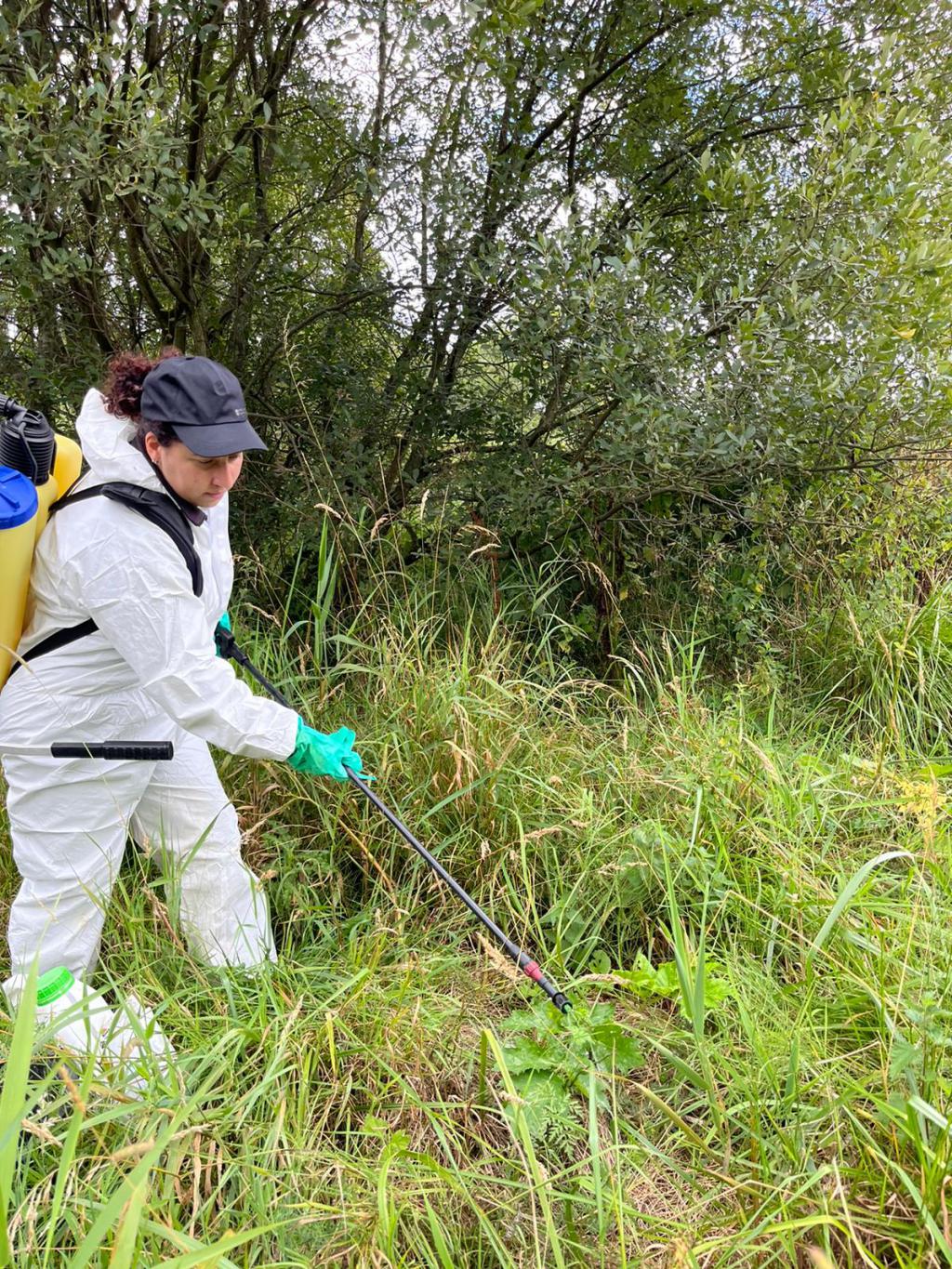
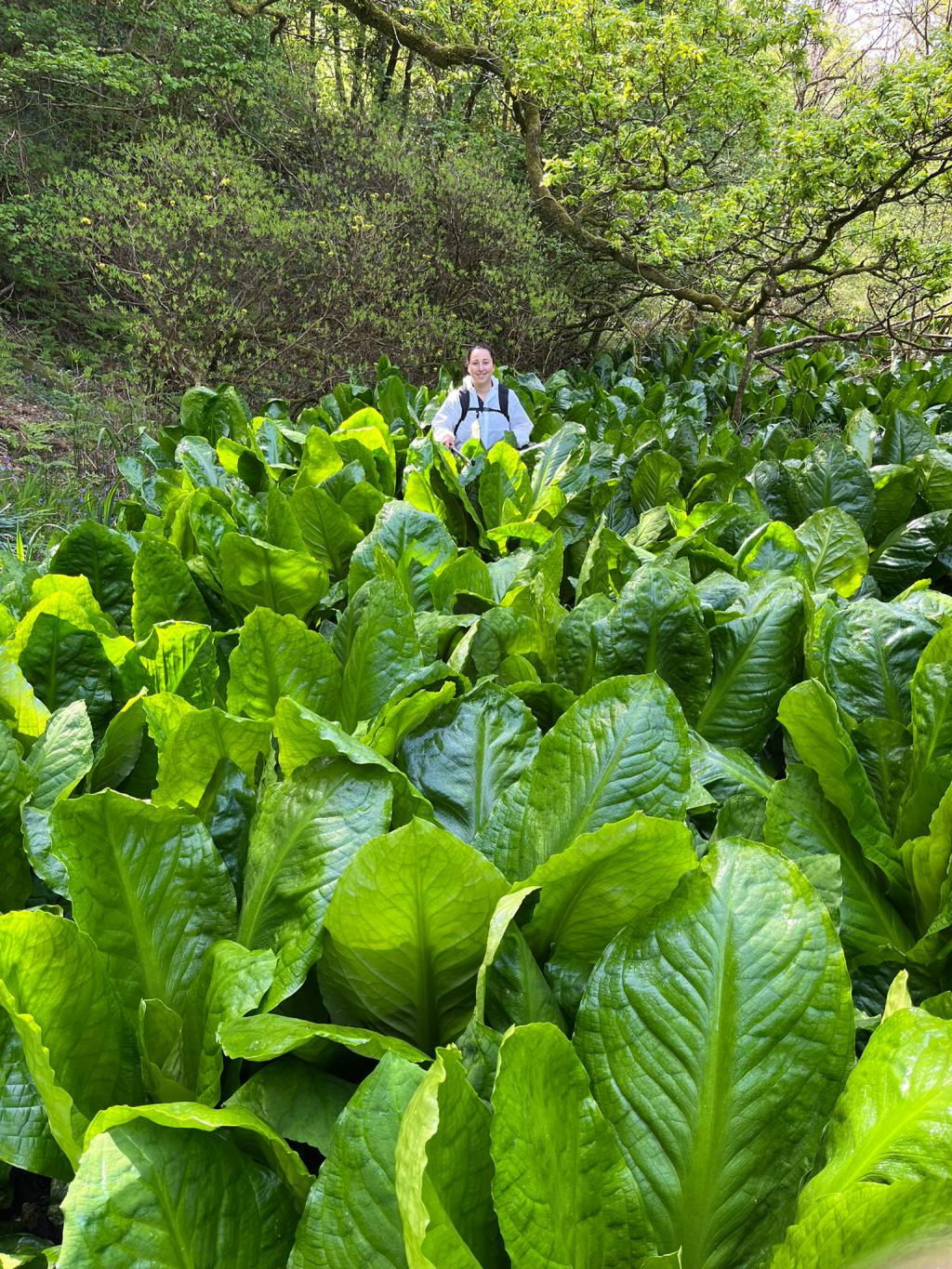
Galloway Rivers Trust (GRT) has been treating INNS along riverbanks throughout Dumfries and Galloway, with the support of various funders over the years. Key target species include Japanese knotweed (Fallopia japonica), Giant hogweed (Heracleum mantegazzianum), Himalayan balsam (Impatients glandulifera) and American skunk cabbage (Lysichiton americanus).
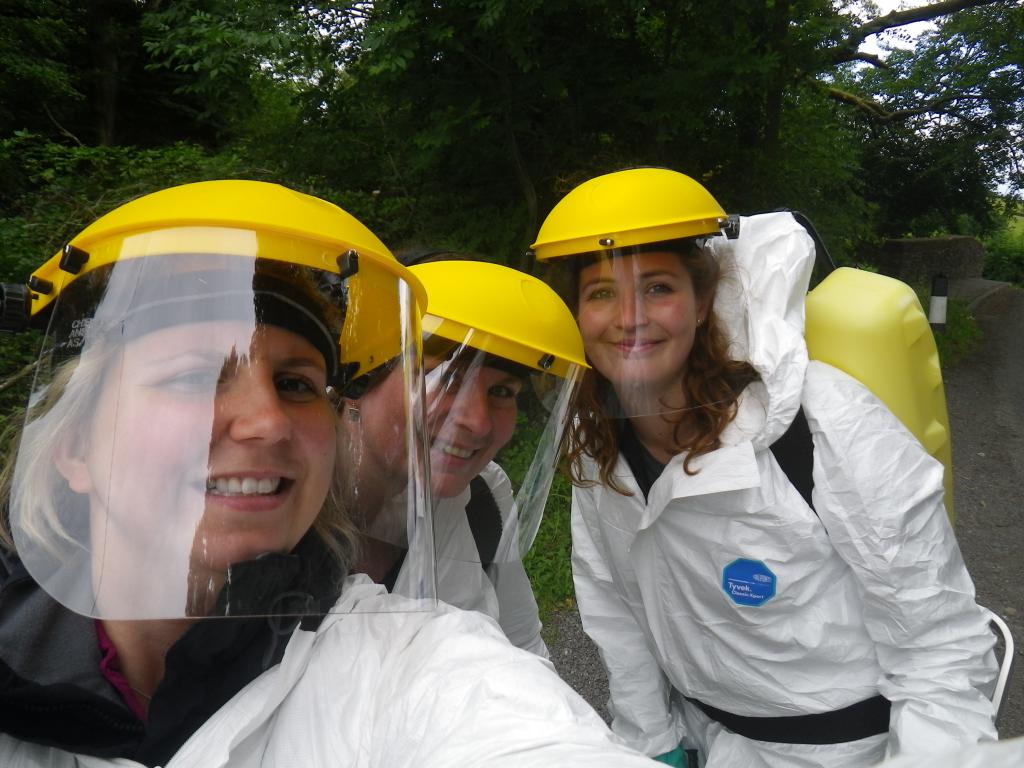
An ambitious programme, the ‘Scottish Solway INNS Control and Knowledge Programme (Phase 1 & 2) was launched by GRT in 2022. Supported by the Scottish Government’s Nature Restoration Fund (managed by NatureScot) and the National Heritage Lottery Community Fund, the programme has worked to control priority INNS across seven main river catchments in Dumfries and Galloway. The programme is delivered by the GRT INNS Control Project Officer Tracy Starks, and is presently funded until early 2027.
As part of the project, GRT has collaborated with CABI to introduce an innovative approach to INNS control, by trialling a host-specific rust fungus to control Himalayan balsam on the River Annan. The trial confirmed that the rust has successfully overwintered into 2026 after being released in 2025. As the rust continues to establish itself within the environment, it will help to suppress the growth and seed production of Himalayan balsam, allowing native species to thrive. We hope that this approach can also be replicated in other areas impacted by Himalayan balsam in the future.
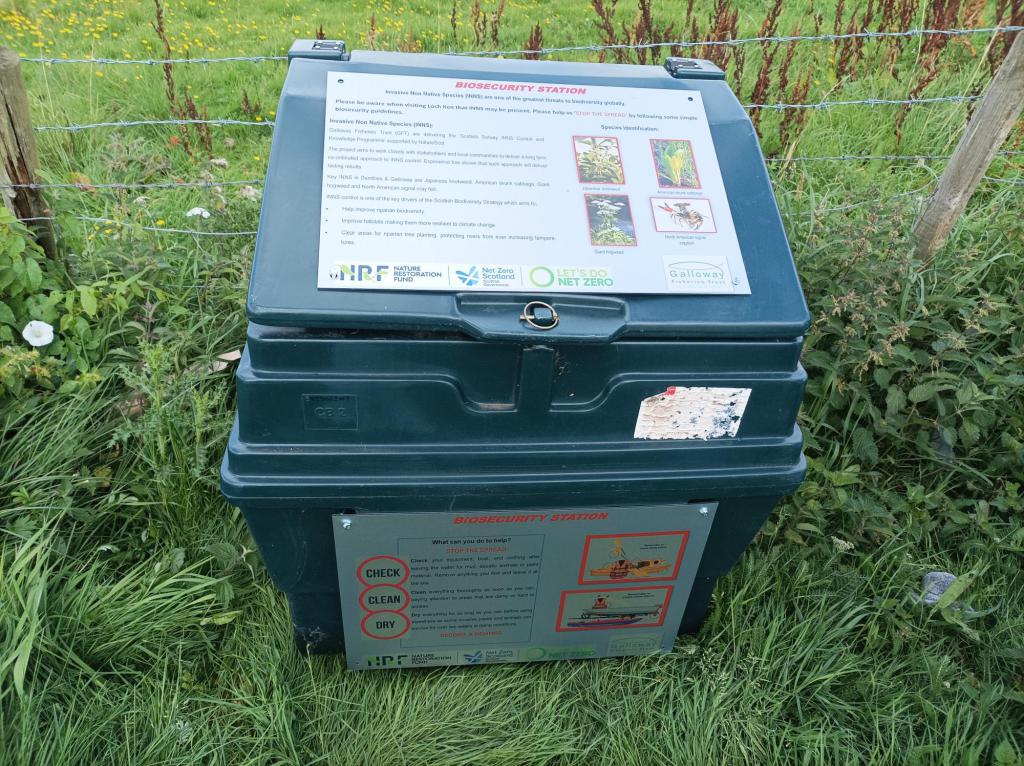
The project also continues to implement key actions from the Biosecurity Plan for the Kirkcudbrightshire Dee, helping to prevent the spread of North American signal crayfish and other aquatic INNS.
The ‘Scottish Solway INNS Control and Knowledge Programme’, has also built an educational campaign, which took the INNS team to local primary schools to help inspire curiosity and build understanding of invasive non-native species (INNS). The campaign provided each pupil with a copy of our INNS book and activity sheets, written and beautifully illustrated by local artist Helen Ryman.
INNS control is one of the key drivers of the Scottish Biodiversity Strategy 2045, which aims to help improve biodiversity, make habitats more resilient to climate change, and clear areas for riparian tree planting, helping to protect rivers from ever-increasing temperatures.
The Scottish Invasive Non-Native Species Action Plan 2026 – 2032 was developed by NatureScot. The Scottish Government considers effective action to tackle INNS to protect Scotland’s biodiversity and economy. Our ‘Scottish Solway INNS Control and Knowledge Programme’ supports the ambitions and targets of this plan.
Further details of some of these INNS control programmes are provided on Story Maps below:
- Japanese knotweed project on the Water of Fleet: https://arcg.is/0vnSvG
- Giant hogweed on the lower Urr: https://arcg.is/1fDXL82
- American skunk cabbage on the Bladnoch: https://arcg.is/1CnOCT0
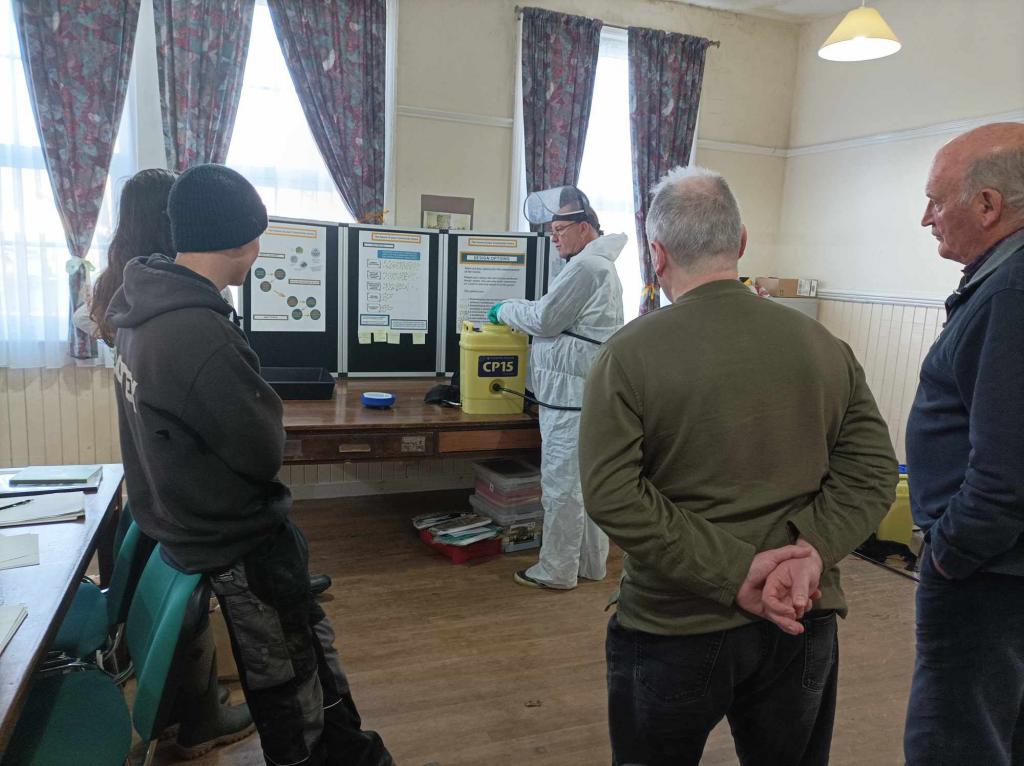
Tracy (Project Officer) is keen to get help from interested volunteers. To get in touch with her to organise volunteer opportunities or to find out more about the project please email tracy@gallowayriverstrust.org


Downloads
5 Year Biosecurity Management Plan
GFT produced a 5 years management plan for the Kirkcudbrightshire Dee for 2020-2024 outlining the desired approach to tacking Non-Native Invasive Species.Kilgallioch Community Fund logo
Kilgallioch Community Fund logoGallery
Latest News
Restoring local peatlands
In spring 2026, Galloway Rivers Trust undertook 22.5 hectares of peatland restoration around Loch Moan in Dumfries and Galloway. Loch Moan is the source of the River Cree, which is an important river in Galloway for its freshwater fish populations including the very rare Sparling.
Luce Riverwoods Project
The River Luce starts in the hills of southern Ayrshire and makes it way down through New Luce and Glenluce before joining the Solway Firth. Throughout its length it acts as a home to a large variety of aquatic species such as salmon and trout, as well as many invertebrate species.
Removing Broom Caul
Galloway River Trust has secured funding from the European Open Rivers Programme for work to remove the Broom Caul. As part of our work to restore the river habitats of the River Annan catchment, the removal of this caul, or weir, has been identified as a priority action.