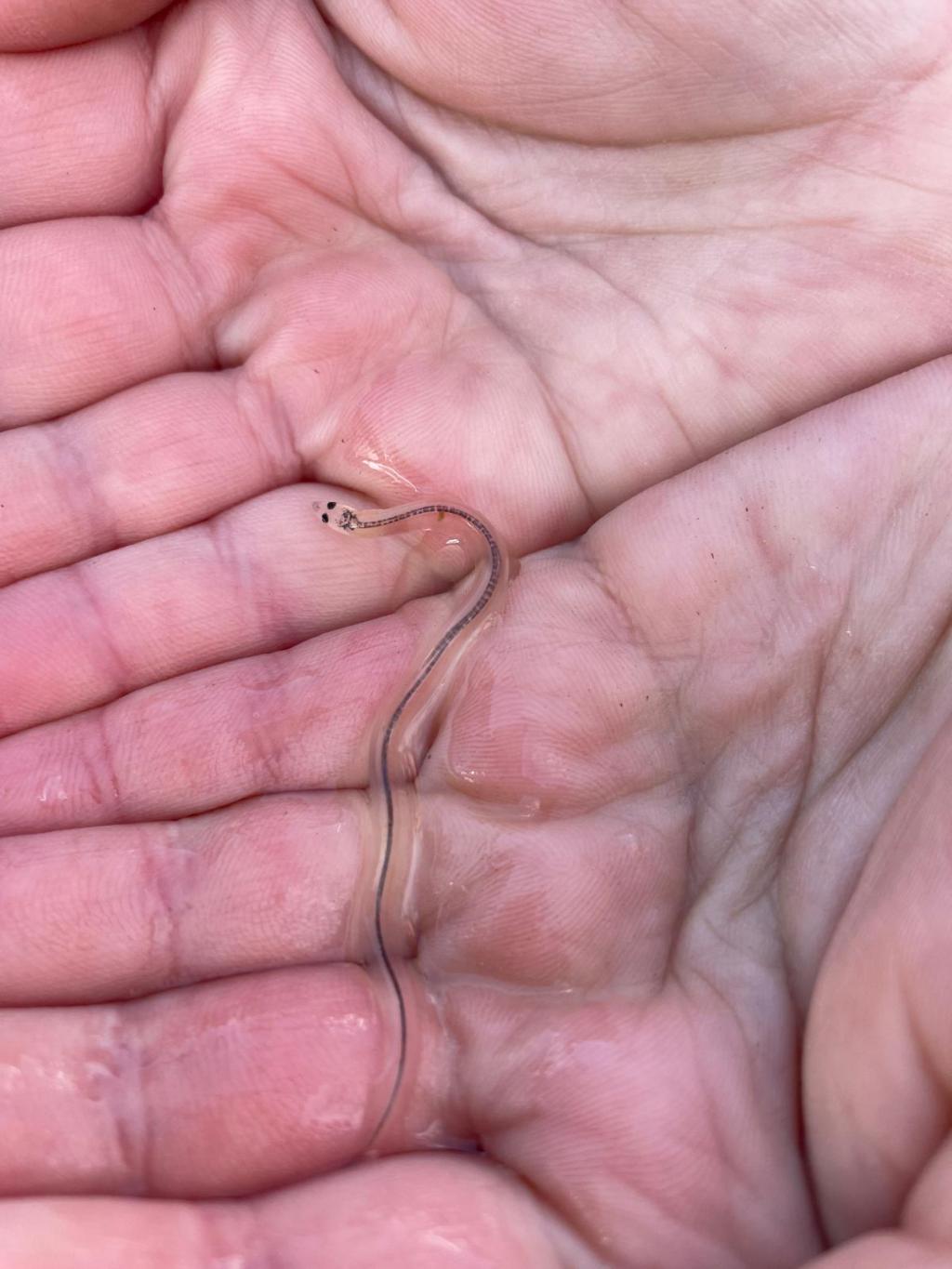
The Kirkcudbrightshire Dee European Eel Study and Restoration Project, supported by Drax, is an exciting five-year project which aims to monitor and translocate elvers captured at the base of Tongland Dam and explore how eel data can be used to drive enhancement management of eels at a local and national level.
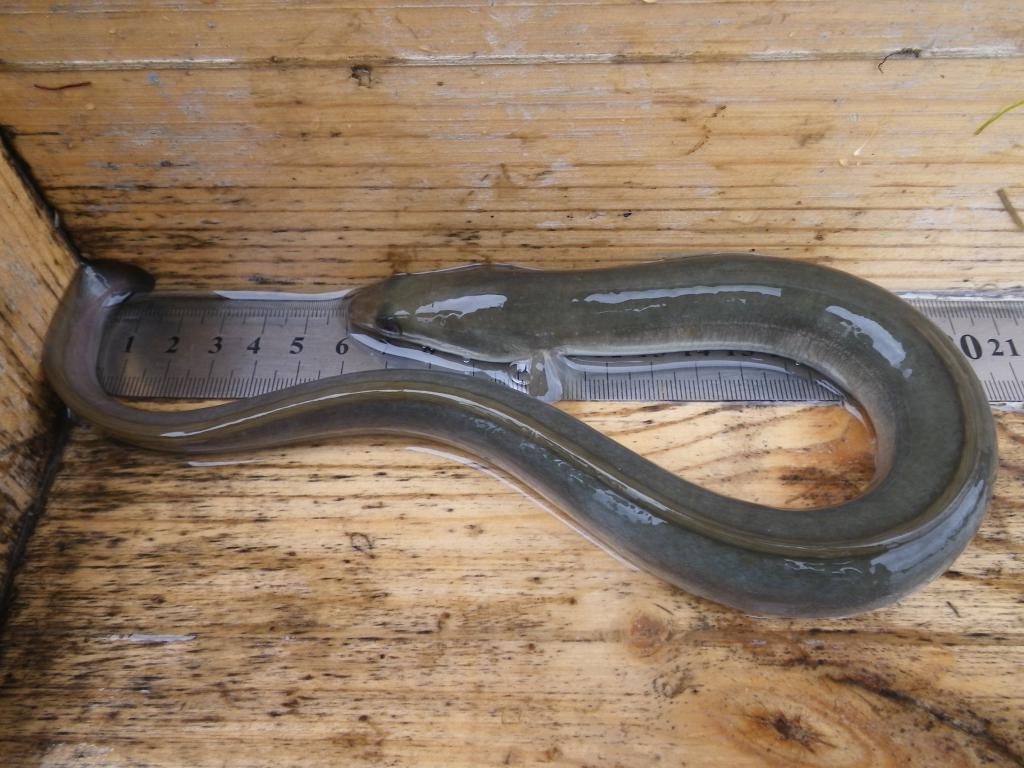
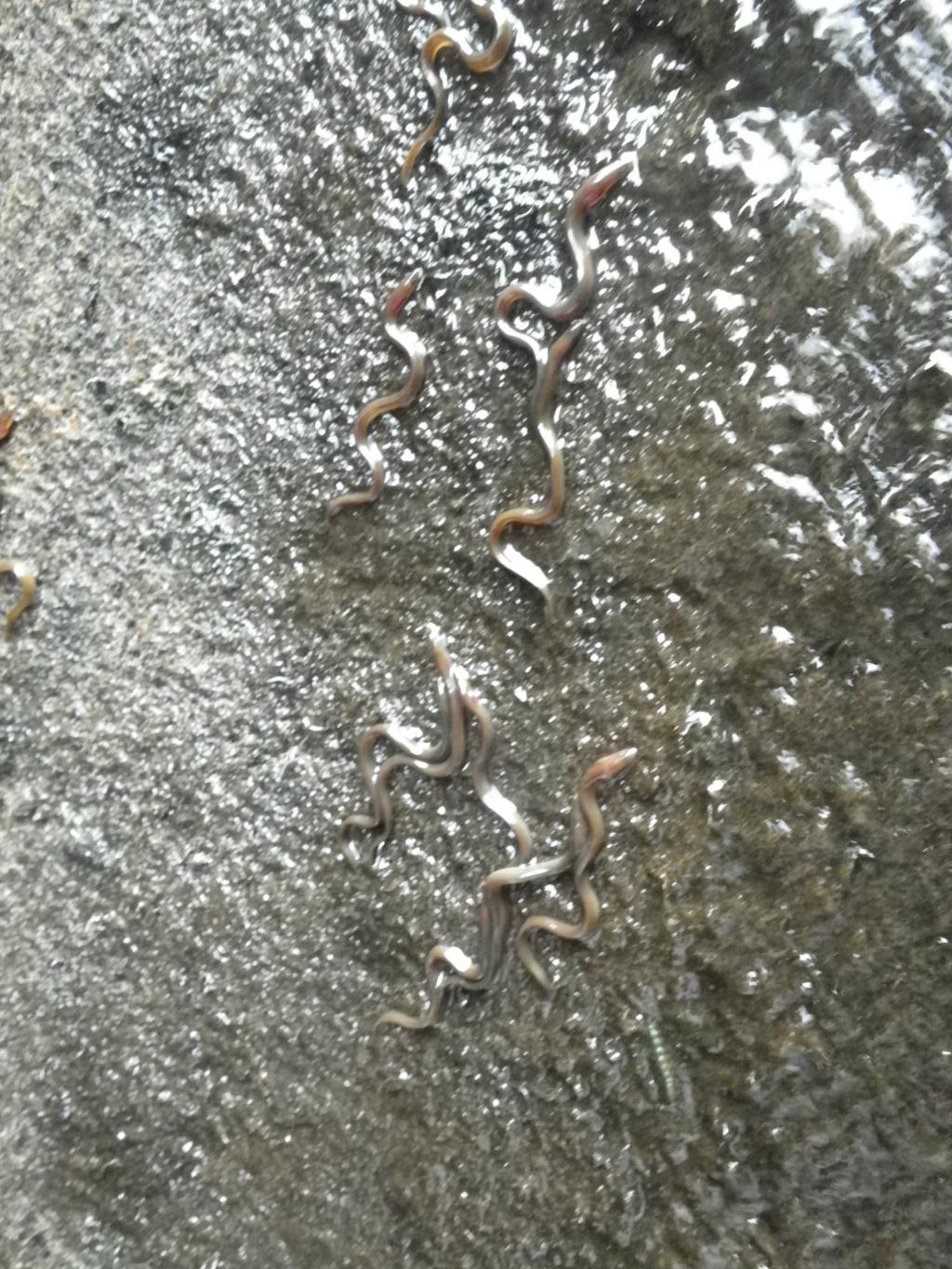
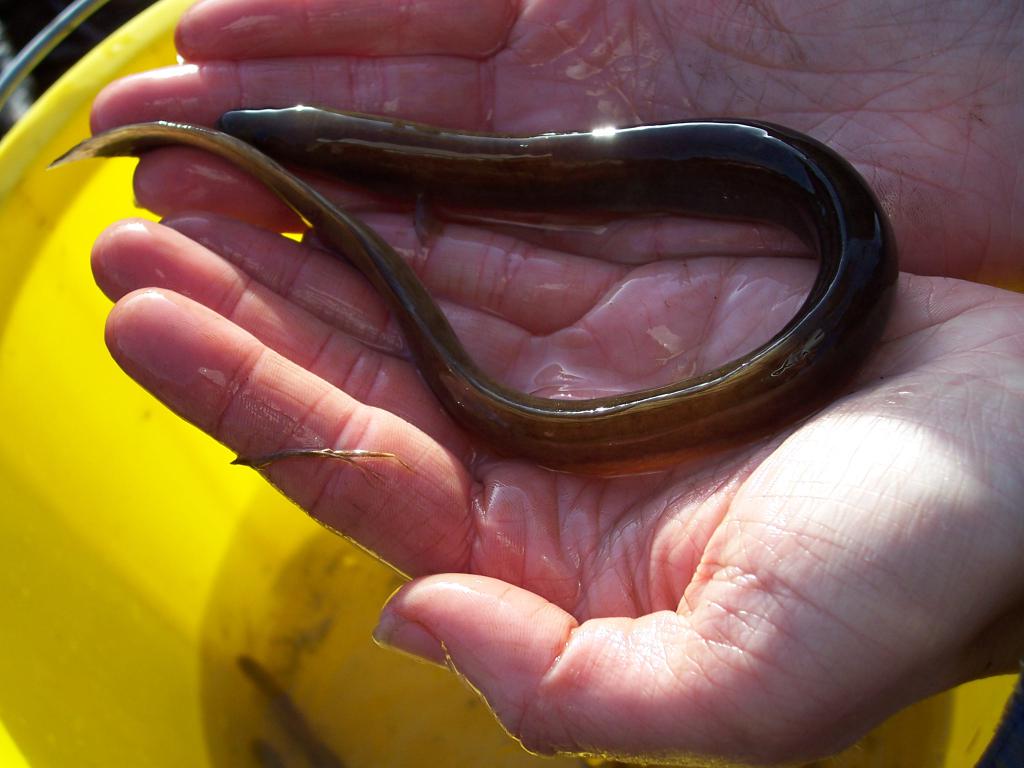
European eels (anguilla anguilla) are catadromous fish that spend most of their lives in freshwater before returning to sea to spawn. Their complex lifecycle begins 5000km away from Scotland in the Sargasso Sea where females spawn – only once in their lifetime. Eggs hatch into transparent blade shaped larvae, called ‘leptocephali’, which float to Europe on the Gulf Stream and the North Atlantic Drift. After 8-9 months in the Atlantic, leptocephali reach the continental waters of Europe where they develop into unpigmented glass eels, measuring around 50mm. In the coastal waters, glass eels darken in colour and become known as ‘elvers’. Young elvers begin to migrate upstream and enter freshwater when the river temperature is between 10-12°C, usually around the end of April. They continue to develop within our river systems into yellow eels – immature adults. This stage is the longest in their lifecycle, lasting up to 20 years. Once yellow eels have become large enough and built sufficient fat reserves, they metamorphose into silver eels. They change colour and undergo physical changes, including enlarging of their eyes and fins, which helps them on their journey back to the Sargasso Sea.
Since the 1970’s, there has been a 90% decline in the population and in 2008 European eels were listed as Critically Endangered on the IUCN Red List of Threatened Species. The cause of this decline remains poorly understood but they face several threats including river barriers (e.g. dams and weirs), habitat loss, illegal wildlife trade, historic overfishing, climate change, reduced water quality and pollution.
The Kirkcudbrightshire Dee is the second largest river catchment in southwest Scotland (>900km2). In 1935, the Galloway Hydro Scheme began service, and the river has been harnessed for hydroelectricity since. Prior to the construction of the Galloway Hydro Scheme there was a healthy eel population in the Dee, but annual electrofishing surveys that began in 1996 have not found an eel in the river or its tributaries.
Eels are a protected species and fishing for eels has been prohibited in Scotland since January 2009 under The Freshwater Fish Conservation (Prohibition on Fishing for Eels) (Scotland) Regulations 2008. In 2009 the Solway Tweed River Basin District Eel Management Plan was published and addressed actions to help conserving European eels. Although mainly focused on increasing silver eel escapement (the stage where adult eels return to sea to spawn), actions were considered for the different freshwater life stages.
For the Dee this meant focussing on overcoming inward migration problems. Tongland – the largest of 6 power stations within the scheme – is located at the very bottom of the river where water is abstracted at Tongland Dam, some 1.7km upstream of the station and tidal limit. Although the fish ladder at Tongland Dam allows migratory fish such as salmonids to bypass the dam, the chambers are too high and do not have adequate substrate for the migrating elvers to climb.
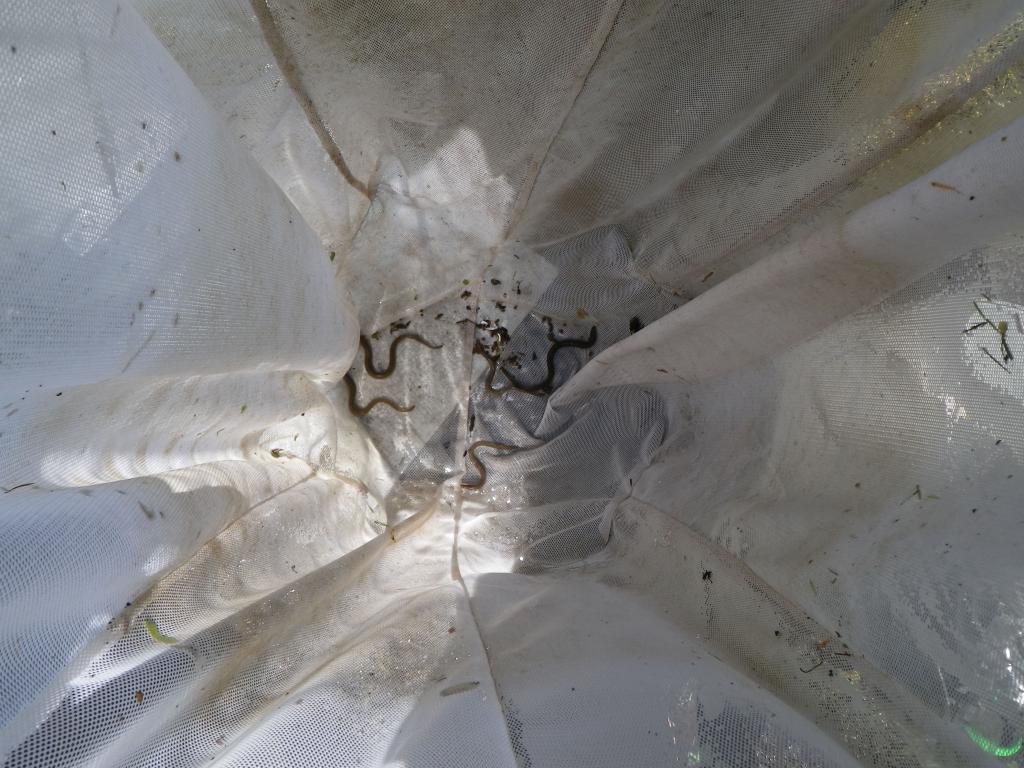
In a previous study, GFT identified that elvers, gathering in large numbers and trying unsuccessfully to ascend Tongland Fish Pass, could be successfully trapped and translocated elsewhere, safeguarding them from the threat of predation.
In acknowledging the challenges that eels face accessing the Dee, Drax – the current operator of the Galloway Hydro Scheme – is supporting an exciting five-year project “The Kirkcudbrightshire Dee European Eel Study and Restoration Project”. The project will explore monitoring elver returns and the sites to which they may be translocated; the use of eel data on a local and national scale; and how best to engage a variety of audiences in this important fish species.
Saoirse joined the Galloway Fisheries Trust in January to undertake the role of Dee Eel Project Officer. Growing up rurally in East Lothian sparked Saoirse’s fascination for wildlife and the environment and following the completion of a BSc in Zoology at the University of Edinburgh, Saoirse completed a Masters in Conservation and Biodiversity at the University of Exeter based in Cornwall.
Before joining GFT, Saoirse worked at WWT Caerlaverock on an Engagement Placement where she delivered nature-based activities, managed social media channels, and engaged with the public. Saoirse is looking forward to making a meaningful contribution to restoring and enhancing European eels utilising the Dee system and hopes the project will provide valuable scientific information to inform the Galloway Hydro Scheme operator, local and national eel management strategies, and help inspire others to raise awareness in protecting this most mysterious and important critically endangered species.
Follow Saoirse’s progress on our website, newsletter, and social media channels. For more information on the project contact saoirse@gallowayfisheriestrust.org
GFT has qualified for the second round of FIRNS funding, allowing us to continue and finalise the development of our Annan Riparian Restoration Network project.
A paid internship is available from September 2024 until end of February 2025 (26 weeks) to work with Galloway Fisheries Trust on the Solway Invasive Non Native Species INNS Control and Knowledge programme Phase 2 (advertised a few weeks ago but post was not filled).
GFT has been successful in securing funding from the FIRNS scheme to develop a large-scale habitat restoration project for the River Annan catchment.